A Practical Guide to Wheelchair Ramp Financing
CALL 877-775-8594
Get a free quote in minutes 

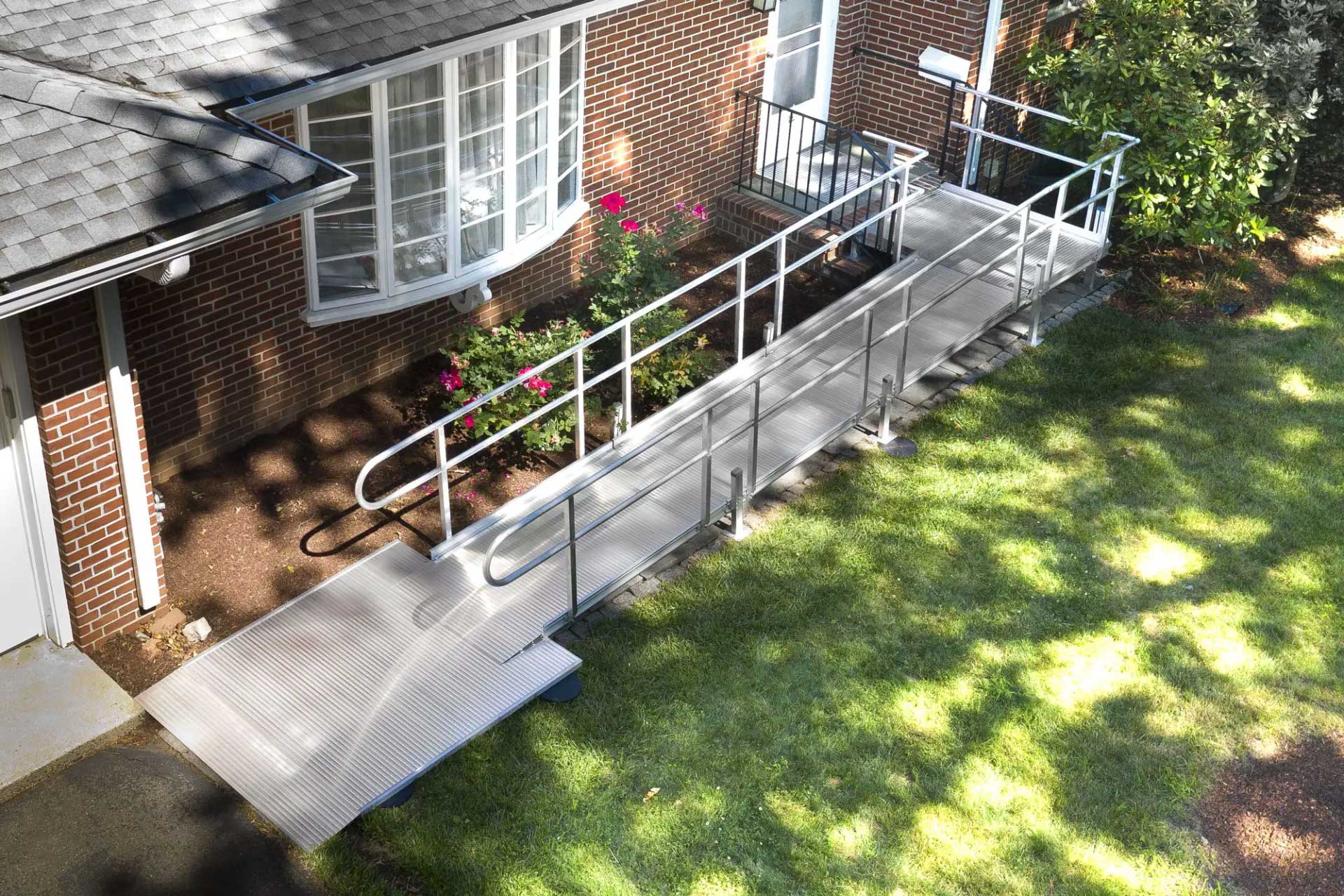
Wheelchair Ramp Financing
Here’s the reality: Life can change quickly.
Whether this is due to an upcoming surgery, a change in mobility, or a loved one moving in, most handicap ramp installations are needed immediately. With that said – financing your ramp should not be another hurdle.
That’s why this guide outlines the fastest and most reliable ways to fund your handicap ramp, so there’s one less thing
The Fastest Way to Finance Home Ramps
1. Personal Savings
Using personal savings is often the fastest way to pay for your ramp.
For families who need a solution immediately, this is always the easiest route. Since there are no credit checks, loan applications or bank approvals to wait for, you can have your ramp installed as early as the very next day after receiving a quote! You own the equipment from day one, and don’t have to worry about monthly interest or debt in the months to come.
The Fastest Way to Finance Home Ramps
2. Home Equity (HELOC or Home Equity Loan)
What’s the difference between HELOC and Home Equity Loans? The two terms are often used interchangeably, but in reality, they work slightly differently.
If you’ve owned your home for a while, you’re likely to have “equity”, i.e. a portion of your home that you truly own. You can borrow against this equity value to fund home improvements, such as a wheelchair ramp, new walkways, bathroom modifications, and similar improvements.
Should you choose a Home Equity Loan, you’ll receive a fixed lump sum of cash directly. This is then typically paid back at a fixed rate of interest over a set period. This is most suitable if you already have a handicap ramp quote and want a predictable monthly payment.
On the other hand, the HELOC loan (Home Equity Line of Credit) works more like a credit card. After applying, you’re approved for a maximum amount and can “withdraw” from that amount as you need it. This is great if you’re planning a series of home improvements over time.
So why should you choose any of these options to finance your handicap ramp? Instead of taking on outside debt, you’re essentially reinvesting in your own property. Adding a high-quality, professional ramp system not only keeps your home safe and welcoming for you and your family for years to come, it often also increases the value of your property – a true win-win.
Because these loans are secured by your home, banks generally view them as lower risk. That means much lower interest rates than personal loans or credit cards, and the amount you can borrow is often considerably higher. That makes these types of loans a great option for financing more extensive projects, but remember, that they use your house as collateral. Make sure that the monthly payments fit comfortably into your budget.
The Fastest Way to Finance Home Ramps
3. Personal Loans
If you prefer not using your house as collateral to finance your new handicap ramp / home modifications, personal loans are another great option. Many banks even offer “home improvement loans”, with fixed monthly payments.
Most personal loans come with fixed interest rates and set monthly payments. This will give you an exact idea of what your ramp budget looks from start to finish, which will make your budgeting easier. Many lenders offer the “home improvement loans” we mentioned earlier – these are specifically labeled for home upgrades, and often have a faster approval time than a traditional mortgage. You can typically receive the funds in just a few days. In other words, it’s a great way to get the accessibility you need without an upfront cash payment.
The Fastest Way to Finance Home Ramps
4. Credit Cards
Credit cards can be an effective way to finance your wheelchair ramp, provided that they are used in a strategic way.
They are typically best suited for smaller products, like threshold ramps, portable ramps, or minor modular accessibility systems. If you have a card with a “0% introductory APR” offer, this will allow you to pay for your ramp with essentially an interest-free loan for 12-18 months. This means you can install your home ramp immediately and pay off the loan in chunks, without incurring any extra interest costs.
Using a credit card is one of the fastest ways to pay. If it has a rewards or cashback program, you can even get a small percentage of the cost back. Keep in mind that standard interest rates for credit cards can be very high, so this option is best if you have a clear plan on how to pay off the balance before the promotional period ends.
TAX AND INSURANCE
Using Tax Breaks and Insurance for Ramp Financing
These two options are hidden gems when it comes to financing your ramp. They don’t involve borrowing money; instead, they help you get your investment back, or use an insurance policy you’re already paying into.
If your physician has recommended a wheelchair ramp, walkway, or stair, to help with a medical condition or physical disability, the ramp is considered a medical necessity. That means, under IRS Publication 502, you can deduct the cost of your new home ramp as a necessary medical expense rather than a luxury home improvement.
However, when you improve your home, you can normally only deduct the part of the cost that exceeds the value added to the property. Thankfully, the IRS has ruled that entrance ramps, widened doorways and other modifications done for the sake of accessibility, do not increase the resale value of the home. That means you can typically deduct the entire cost of both equipment and installation, however, please consult with your tax professional to see how this fits into your income bracket.
Long-Term Care (LTC) Insurance
If you or your loved one has a private LTC insurance policy, you might already have the funds needed for your ramp sitting in your benefits. Most modern LTC policies are meant to help you stay in your home for as long as possible, and therefore, offer so-called “Stay at Home” benefits: benefits for environmental modification or home accessibility, like wheelchair ramps, grab bars, or stairlifts.
It’s an arrangement that benefits everyone. For you, it means reclaiming your freedom and gaining increased independence, while getting to stay in your home. For the insurance company, a professional modular ramp might cost a few thousand dollars as a one-time expense, while a stay inside an assisted living or nursing facility can cost $6,000 to $10,000 every single month.
Check your policy for coverage of “alternative care” or “home modifications”. If you’re lucky, your insurance company covers a significant part – or even the total cost – of your new home ramp.
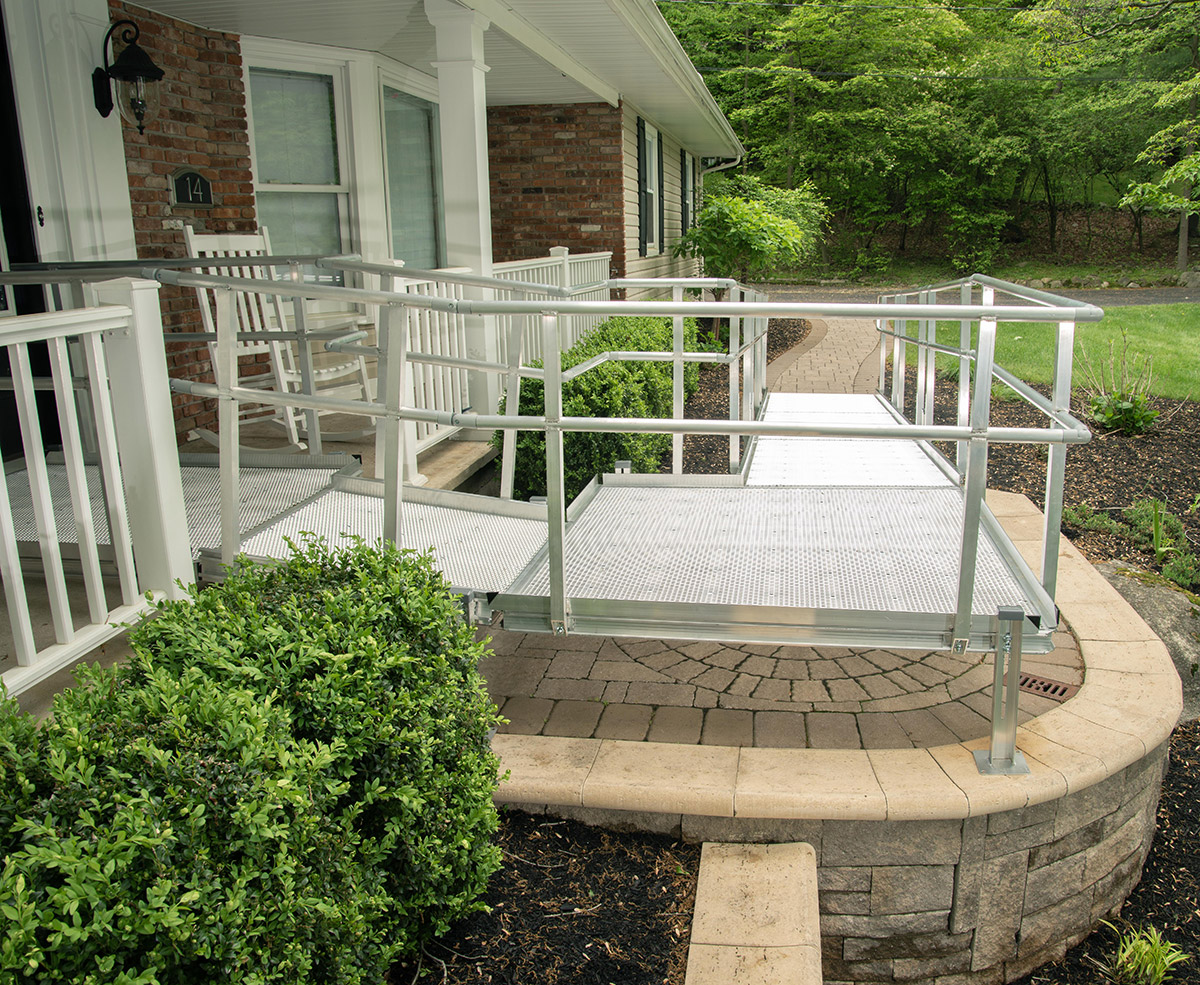
GRANTS AND ASSISTANCE
Other Avenues for Home Ramp Financing
Across the US, it’s possible to apply for government or non-profit grants and assistance. Some examples are programs like VA Hisa grants or USDA Rural grants, but these often come with strict income caps, a mountain of paperwork, and waiting lists a mile long.
They might be an alternative if you have the time, energy and resources, but they’re not ideal for those who need a solution today.
AN INVESTMENT IN SAFETY
Your Home, Your Independence
Financing a ramp is an investment in the safety of you and your family. It’s a way to live your life on your own terms and stay in your home for longer. If you’re considering a wheelchair ramp, a walkway or an accessibility stair, make it happen in your own timeline.
Get in touch with our ramp specialists, and we’ll help you understand your options and choose the right ramp or walkway for your needs.
National Ramp does not currently offer any financing options, however, many of our Certified Dealers provide financing of their own and would love to explore the options with you. Contact us today for more information.
Yes, in many cases. If a physician recommends a ramp for a specific medical condition or disability, the IRS considers it a medical necessity under Publication 502. Because the IRS has ruled that these modifications generally do not increase a home’s resale value, you can often deduct the entire cost of the equipment and the installation from your taxes.
While standard medical insurance varies, many private Long-Term Care (LTC) insurance policies include “Stay at Home” or “Environmental Modification” benefits. These are specifically designed to cover the cost of ramps, grab bars, and other accessibility features to help you remain in your home rather than moving to a care facility.
The fastest options are personal savings or credit cards, as they involve no bank approval wait times. If you require a loan, personal “home improvement” loans are typically the next fastest route, often offering approval within a few days – much quicker than the months of paperwork required for government or non-profit grants.
NEED INDEPENDENT ADVICE?
A Helpful Resource for Funding Research
New Mobility Magazine’s guide is worth exploring if you want to look beyond traditional financing. It covers:
- Grant programs
- Specialized loan options
- Crowdfunding support
- Home modification assistance resources

Have Questions? Contact Our Team Today!
Why wait? Give us a call at 877-748-5588 or contact us online to get started!
Contact Us Call us now for your
free evaluation 877-748-5588