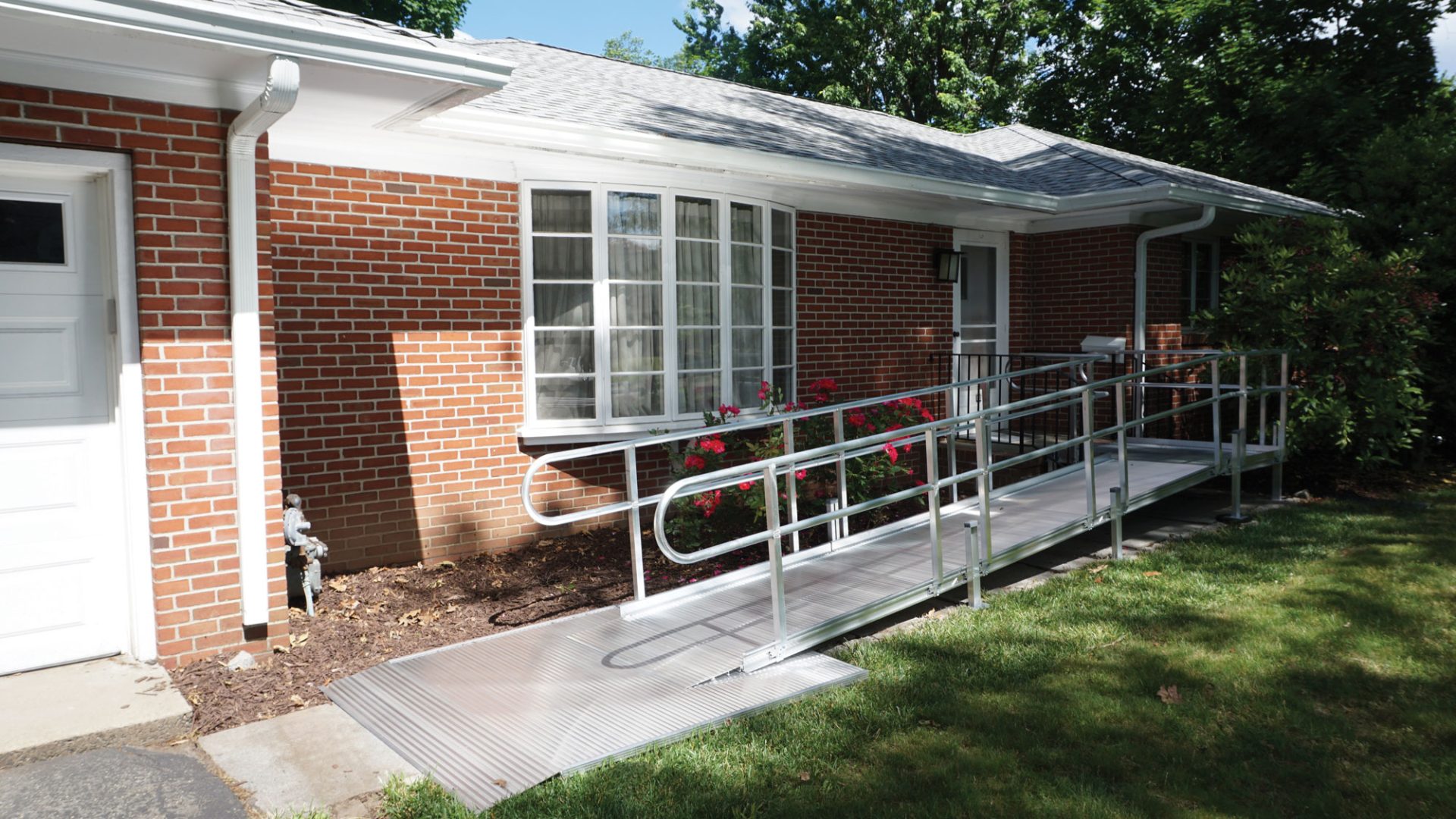
Wheelchair accessibility doesn’t start at your front door. Driveways and garages often have slopes, tight spaces or uneven surfaces, making it difficult for wheelchair and walker users to move around unhindered. To allow for easy and secure passage to and from your vehicles, consider installing a home wheelchair ramp for your driveway or garage – a quick and affordable way to ensure independence and safety for family and friends alike.
Choosing the right ramp for a driveway or garage wheelchair ramp is often easier than you think. In this blog, we’ll highlight important factors to consider and help guide you in your ramp choice through 5 easy steps.
1. Which Wheelchair Ramp for Home Use Is Most Suitable?
To begin, you need to consider which garage wheelchair ramp best fits your situation and needs. Ask yourself how the ramp will be used and how often: daily or occasionally? Should it allow for wheelchair access, a scooter, or a walker? Who will use it, and what are their ramp needs?
Why do these answers matter? The choice of ramp type and material depends on things like weight load, traction, and frequency of use. An aluminum wheelchair ramp might be best for daily wheelchair access on a driveway, while a smaller, portable ramp can be suitable for occasional use. Here are some examples of ramp types and their uses:
- Modular aluminum ramps: Durable, adjustable, and ideal for permanent solutions.
- Portable ramps: Great for renters, short-term needs, or on the go. Available in lengths up to 12 feet.
- Threshold ramps: Suited for small elevation fixes up to 6 inches, such as door lips or curbs.
- Rubber ramps: Useful for garage thresholds or small driveway transitions.
2. Which Is the Best Ramp for Sloped Driveways?
Generally, homes rarely have perfect layouts, and misjudging slope or space is one of the biggest causes of unsafe or non-functional ramp installations. The ADA recommends 1 inch of rise for every 12 inches of ramp length, so remember to measure both rise and run twice before deciding on a ramp.
Another thing to consider is clearance limits, such as garage door height, driveway length, or curb drop. Using L- or U-shaped configurations can help counteract limited depth, and a lower-profile ramp might be needed for garages with low clearance. Consider if you need to add a transition at the curb or driveway lip.
If you’re unfamiliar with how to do these measurements, consulting an experienced installer is always the safer way to go.
3. Choosing Material for Ramp Installations in Garages or Driveways
There are a number of available options on the market, including wood, steel, rubber, and aluminum, all with different properties. Wood is often cheaper upfront, but requires maintenance and can become slippery, while steel is extremely durable but prone to rust and once installed, it’s difficult to move or remove. Rubber is often a great choice for garage thresholds, and aluminum is especially lightweight, maintenance-free, and modular.
Other important aspects to consider are surface and traction. Driveways and garages are high-risk slip zones, so choosing a weather-resistant ramp with a non-slip surface, such as grooves, grip tape, or mesh aluminum helps keep you safe.
A general rule of thumb is that a metal wheelchair ramp is more convenient and cost-effective long-term. See our in-depth comparison guide to learn more about wheelchair ramp materials!
Explore our aluminum wheelchair ramps for lightweight, low-maintenance home access solutions.
4. The Importance of ADA Compliance for Garage Wheelchair Ramps
ADA ramp guidelines are an important way to make ramps safe at home, not just for commercial use. Local building codes often reference ADA best practices, so following ADA standards is a reliable way to keep your garage or driveway ramp secure and reliable. A professional installer can guide you on which rules apply in your area, and help you fully follow ADA guidelines for ramp slope, handrails, and landings.
5. Budget and Ramp Maintenance
When choosing your garage or driveway ramp, several factors influence costs. Dimensions, slope, customization, material, and potential permits all affect the size of your investment. A wood ramp may have a smaller upfront cost, but requires more maintenance and has a shorter lifespan than a metal ramp, potentially making it more expensive long-term. In contrast, steel ramps have high initial and ongoing maintenance costs, but are extremely durable, while aluminum ramps require a moderate upfront investment, but have lower lifetime costs thanks to long durability and low maintenance.
Which garage ramp or driveway ramp you choose depends on both personal preference and long-term needs. Keep your requirements, budget, material, usage, and ADA compliance in mind, and you’ll be set to make the best choice.
Should you have questions about your choice or need guidance, don’t hesitate to reach out. Our team at National Ramp would be happy to help you find the safest, most practical wheelchair ramp for your home or driveway – installed fast and built to last.
Don’t Risk Injury To You Or A Loved One
Why wait? Give us a call at 877-596-7293 or contact us online to get started!